Firefox Project Nova: Privacy-First Design Lessons for Businesses
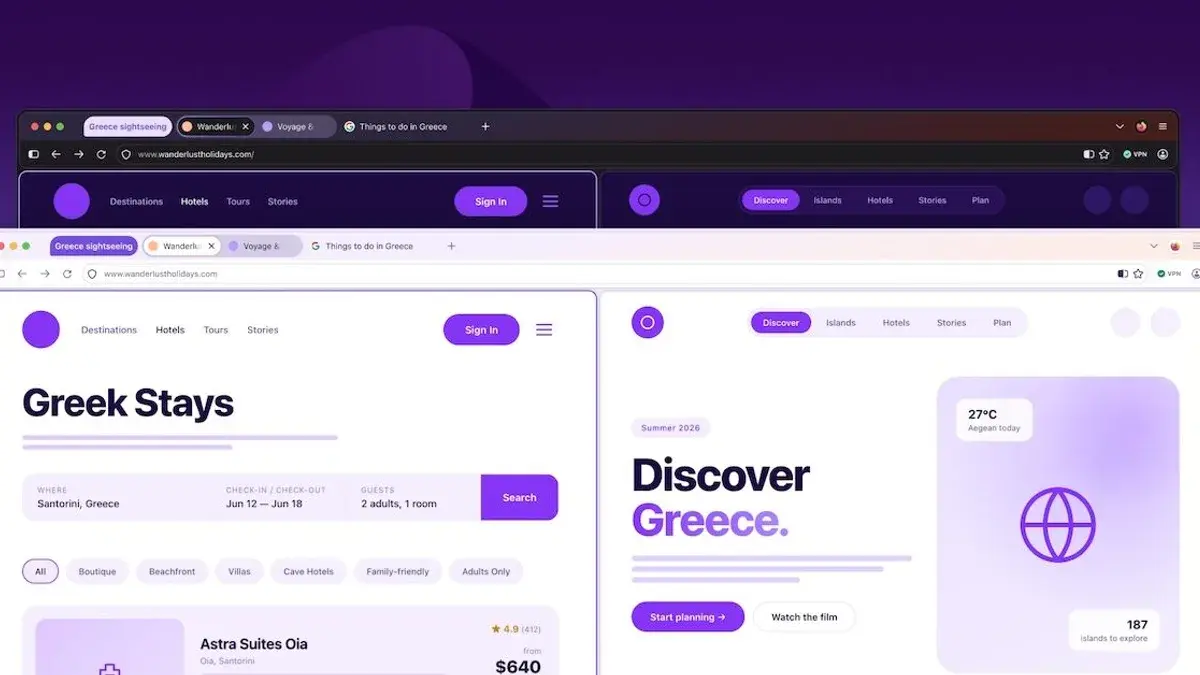
Mozilla's announcement of Project Nova represents more than just another browser redesign. For businesses in Luxembourg and across Europe, this privacy-first approach to interface design offers valuable lessons about balancing user experience with data protection requirements.
The Strategic Shift Behind Project Nova
Project Nova focuses on three core pillars: readability, privacy, and personalization. This isn't coincidental timing. As European businesses navigate increasingly complex privacy regulations, Mozilla's approach demonstrates how user interface design can become a competitive advantage rather than a compliance burden.
The emphasis on readability addresses a fundamental business challenge: information overload. In an era where employees juggle multiple digital tools daily, clear interface design directly impacts productivity. Mozilla's focus on visual hierarchy and content clarity mirrors what we observe in successful business automation projects.
Privacy as a Design Foundation
What makes Project Nova particularly relevant for Luxembourg businesses is its treatment of privacy as a design foundation, not an afterthought. The browser's interface will apparently make privacy controls more accessible and understandable to average users.
This approach aligns with Luxembourg's position as a European data hub. Financial services, fintech companies, and international corporations based in the Grand Duchy must balance sophisticated functionality with transparent data handling. Project Nova's model suggests that privacy-forward design can enhance rather than limit user engagement.
Lessons for Business Interface Design
The personalization aspect of Project Nova offers insights for business application design. Rather than overwhelming users with options, the focus appears to be on adaptive interfaces that learn from user behavior while respecting privacy boundaries.
The Luxembourg Context
For Luxembourg businesses, this resonates particularly well. The local market combines international sophistication with personal service expectations. Employees expect tools that adapt to their workflows without compromising sensitive client information or proprietary data.
Consider how this applies to common business scenarios: customer relationship management systems, internal collaboration tools, or client-facing portals. The Project Nova approach suggests prioritizing clarity over complexity, making privacy controls visible rather than hidden, and allowing personalization within defined boundaries.
Implementation Considerations
The planned deployment timeline for Project Nova—before end of 2026—also reflects a measured approach to major interface changes. This gradual rollout strategy offers lessons for businesses implementing new digital tools or updating existing systems.
Rather than dramatic overnight changes, successful digital transformation often requires careful change management. Mozilla's approach acknowledges that even positive changes need time for user adaptation.
Broader Implications for Digital Strategy
Project Nova's focus areas mirror broader trends affecting Luxembourg businesses. The emphasis on readability responds to information density challenges. The privacy focus addresses regulatory compliance needs. The personalization element tackles user engagement requirements.
Competitive Advantages
Businesses that adopt similar design principles in their digital tools often see improved employee adoption rates and reduced training costs. Clear interfaces reduce support tickets. Privacy-conscious design builds trust with clients and partners. Thoughtful personalization increases productivity without overwhelming users.
This matters particularly in Luxembourg's competitive business environment, where operational efficiency and client trust are crucial differentiators.
Moving Forward
Project Nova represents a mature approach to interface design that balances multiple stakeholder needs. For Luxembourg businesses, the lessons extend beyond browser choice to fundamental questions about how digital tools should serve both operational efficiency and regulatory compliance.
The key insight is treating privacy and usability as complementary rather than competing priorities. This mindset shift can inform decisions about customer portals, employee tools, and partner interfaces.
At IALUX, we help Luxembourg businesses implement digital solutions that prioritize both functionality and privacy compliance. Our approach mirrors Project Nova's philosophy: technology should enhance human capability while respecting individual privacy and organizational security requirements.
Vous voulez implémenter ça dans votre entreprise ?
Nos experts vous accompagnent de la stratégie au déploiement.
Parlez à un expertConsultation gratuite · 30 min · Sans engagement