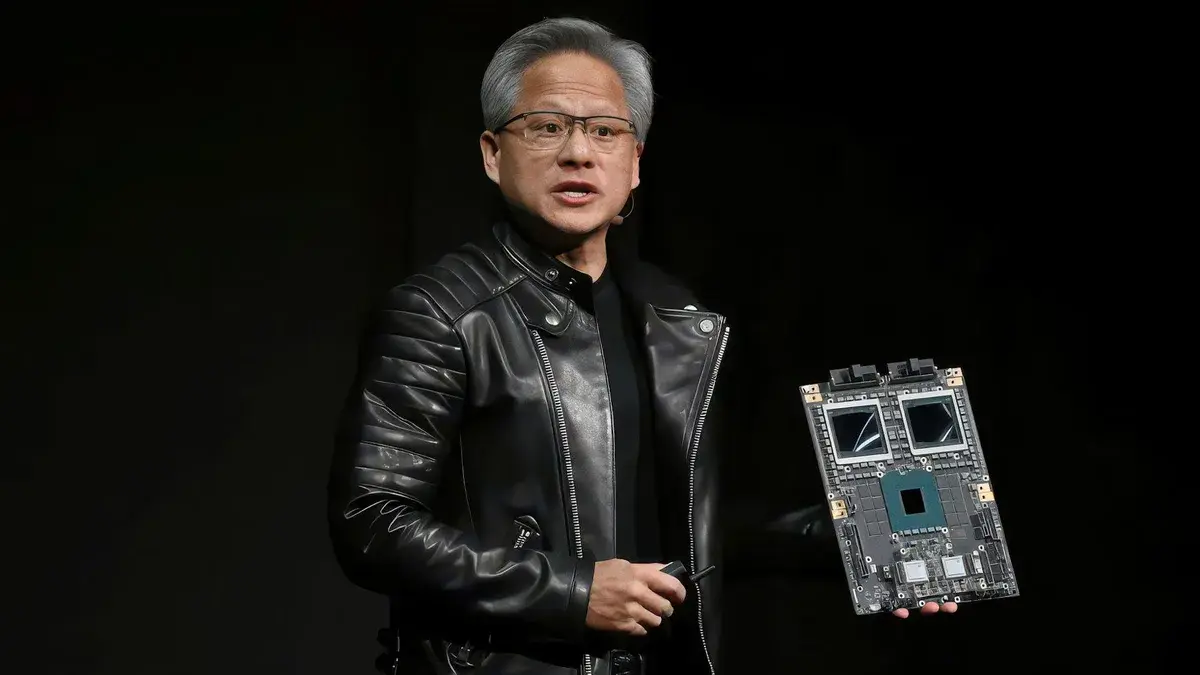
MiniMax M2.5 rivals Claude Opus at a fraction of the cost
MiniMax M2.5 rivals Claude Opus at a fraction of the cost
The race to the top of AI model benchmarks is now running in parallel with a race to the bottom on cost. The latest entrant to upset the pricing calculus: MiniMax M2.5, a model from Chinese AI lab MiniMax that is generating significant attention for its competitive performance against frontier Western models at dramatically lower inference costs.
What is MiniMax M2.5?
MiniMax is a Shanghai-based AI startup that has been developing multimodal foundation models since 2021. Their M2.5 model is their most capable release yet, featuring:
- A 1 million token context window — matching the best available from Anthropic and OpenAI
- Strong performance on reasoning and coding benchmarks
- Multimodal capabilities including text, image, and audio processing
- API pricing approximately 5 to 10 times cheaper than comparable Claude Opus or GPT-4o endpoints
On several standard benchmarks — MMLU, HumanEval, GPQA — M2.5 scores within a few percentage points of Claude Opus 3 and GPT-4o. It's not a clean win, but the performance-to-price ratio is hard to ignore.
The cost disruption narrative
This is not an isolated story. The pattern of Chinese AI labs releasing highly competitive models at lower costs has been a defining trend of 2025-2026. DeepSeek R1 started the conversation. Qwen 2.5 continued it. Now MiniMax M2.5 adds another data point.
The underlying dynamic: Chinese labs often have access to more efficient training infrastructure, different regulatory constraints on data use, and significant government-backed research investment. This allows them to compress the time-to-capability curve while pricing aggressively.
For Western AI providers, the competitive pressure is real. Anthropic, OpenAI, and Google have all been adjusting their pricing downward over the past 12 months — in part a response to this competitive dynamic.
What enterprises should think about
For businesses evaluating AI model procurement, this creates both opportunity and complexity.
The opportunity: The effective cost of deploying capable AI has dropped dramatically over the past two years and continues to fall. Applications that seemed economically unviable 18 months ago are now straightforwardly cost-effective.
The complexity: Model selection now requires weighing more dimensions:
- Capability — Is the model genuinely good enough for your use case?
- Cost — What are the actual all-in costs at your usage volumes?
- Data sovereignty — Where is your data processed? What are the retention and training policies?
- Regulatory compliance — For regulated industries (finance, healthcare, legal), which models have the right certifications and contractual protections?
- Reliability and support — Enterprise SLAs, uptime guarantees, support responsiveness
For Luxembourg-based enterprises, particularly those in financial services, the data sovereignty question is especially important. Processing sensitive client data on infrastructure operated by a Chinese company may create GDPR complications and compliance concerns that outweigh the cost savings.
The bigger picture: AI commoditization
MiniMax M2.5 is another signal that general-purpose language model capability is commoditizing. The differentiation is shifting up the stack — toward fine-tuned domain expertise, proprietary data integration, workflow automation, and the quality of the deployment and support ecosystem.
This is actually good news for businesses. As the underlying AI becomes cheaper and more capable, the value creation shifts to those who can deploy it intelligently within specific business contexts.
A note on benchmarks
Standard benchmarks should always be taken with a grain of salt. Real-world performance in specific enterprise applications often diverges significantly from benchmark scores. Before switching vendors based on benchmark comparisons, run your own evaluation with your actual use cases and data.
Business takeaway
MiniMax M2.5 is a genuine signal that capable AI inference is getting dramatically cheaper. For enterprise buyers, this is the moment to revisit your AI cost model and evaluate whether you're paying more than necessary. But make data sovereignty and compliance your first filter — especially in Luxembourg's heavily regulated business environment.
IALUX helps Luxembourg businesses evaluate and select AI model providers that balance capability, cost, and compliance requirements. Get in touch.
Vous voulez implémenter ça dans votre entreprise ?
Nos experts vous accompagnent de la stratégie au déploiement.
Parlez à un expertConsultation gratuite · 30 min · Sans engagement