Rivian's AI Vision: When Cars Replace Buttons with Conversations
The Battle for Your Car's Brain: AI vs. Traditional Interfaces
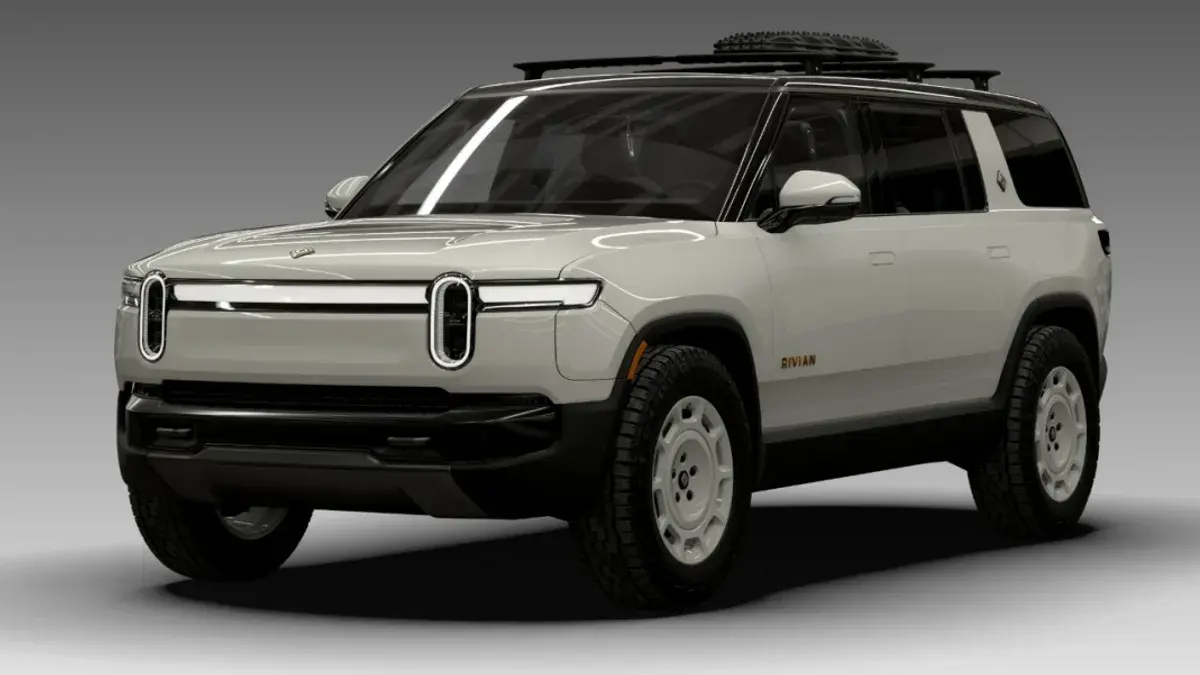
Rivian's Chief Software Officer Wassym Bensaid recently made headlines with a bold prediction: traditional car buttons are "anomalies of modern design" that will eventually be replaced by AI-powered voice interfaces. This isn't just another tech executive making grandiose claims—it's part of a fundamental shift happening in automotive software that Luxembourg businesses should closely monitor.
Bensaid's perspective comes from overseeing both Rivian's software development and a massive joint venture with Volkswagen Group worth nearly $6 billion. This partnership, called RV Tech, positions Rivian's AI-first approach to power future electric vehicles across Europe's second-largest automaker.
The Technical Reality Behind the Vision
The conversation around voice interfaces in cars isn't new, but the technical infrastructure to make it work properly is finally emerging. Bensaid explains that modern cars require what the industry calls "zonal architecture"—essentially replacing hundreds of small computers with a few powerful ones that can communicate seamlessly.
This architectural shift enables something that wasn't possible before: an AI assistant that can actually control the entire vehicle, not just play music or answer questions. The Rivian Assistant can adjust air suspension, change drive modes, and interact with external services like Google Calendar—all through natural conversation.
However, early user experiences reveal the complexity of this transition. Safety regulations still prevent voice control of critical functions like windshield wipers, creating inconsistent user expectations. The assistant can lower a car's suspension at highway speeds but won't turn on rear wipers in the rain.
Edge Computing: The Key to Responsiveness
One crucial technical detail often overlooked in automotive AI discussions is processing location. Current systems rely heavily on cloud connectivity, creating latency issues that frustrate users. Rivian's upcoming R2 model addresses this with local AI processing power equivalent to 200 sparse TOPS (trillions of operations per second)—more computational capability than most smartphones.
This edge computing approach matters for European adoption, where data privacy regulations and connectivity concerns make cloud-dependent solutions less appealing. Local processing means faster responses and reduced dependency on cellular networks.
The CarPlay Resistance: Strategic Decision or Stubborn Stance?
Bensaid's firm stance against Apple CarPlay and Android Auto integration reveals deeper philosophical differences about automotive software. Rather than allowing phone projection to "take over every pixel," Rivian maintains that deep integration between car systems and user interfaces creates superior experiences.
The numbers appear to support this approach. Bensaid claims that customer requests for CarPlay dropped from 70% to 25% as Rivian's native software matured. However, this still leaves a significant minority who prefer the familiar interface and extensive app ecosystem of their smartphones.
For European markets, this resistance to phone integration could prove challenging. European consumers often prefer standardized, interoperable solutions—particularly in a regulatory environment that favors open platforms.
Implications for Luxembourg's Automotive Ecosystem
Luxembourg's position as a European hub for automotive finance, logistics, and technology makes these developments particularly relevant for local businesses. The country hosts major automotive suppliers and serves as a gateway for Asian manufacturers entering European markets.
The shift toward AI-defined vehicles creates opportunities for Luxembourg companies in several areas:
- Software Integration Services: As traditional automakers struggle with cultural and technical transitions to software-first development, consulting and integration services become valuable
- Data Management Solutions: With vehicles generating massive amounts of data, Luxembourg's expertise in financial data handling translates well to automotive applications
- Regulatory Compliance: The intersection of EU AI Act requirements and automotive safety standards creates demand for specialized legal and technical expertise
The Volkswagen Factor
The Rivian-Volkswagen partnership deserves special attention from Luxembourg businesses. This collaboration represents the largest software licensing deal in automotive history and demonstrates how traditional European manufacturers are adapting to software-defined vehicle requirements.
For Luxembourg companies already working with Volkswagen Group entities, understanding this technological shift becomes crucial for maintaining and expanding business relationships.
The Broader European Context
Europe's automotive industry faces unique challenges in the AI transition. Unlike markets where Tesla or Chinese manufacturers dominate electric vehicle innovation, European brands must balance technological advancement with existing dealer networks, regulatory requirements, and consumer expectations.
The Rivian approach—building AI capabilities from the ground up rather than retrofitting existing systems—offers lessons for European manufacturers. However, the cultural resistance to abandoning familiar interfaces like CarPlay may prove stronger in European markets than in the United States.
Looking Ahead: Practical Considerations
While Bensaid's vision of button-free, AI-driven vehicles sounds compelling, the practical implementation reveals ongoing challenges. Current AI assistants still struggle with context, safety limitations, and user expectations about functionality.
For businesses considering fleet transitions or automotive technology investments, the key insight isn't whether AI will replace traditional interfaces, but rather how quickly this transition will occur and what intermediate solutions will emerge.
The most pragmatic approach may involve hybrid systems that combine AI capabilities with familiar backup interfaces—at least until voice recognition and natural language processing reach the reliability levels that safety-critical applications demand.
At IALUX, we help Luxembourg businesses navigate complex technological transitions like the automotive industry's shift toward AI-driven interfaces. Whether you're evaluating fleet management solutions or exploring opportunities in the evolving automotive software landscape, understanding these fundamental changes in vehicle architecture and user interaction becomes essential for informed decision-making.
Vous voulez implémenter ça dans votre entreprise ?
Nos experts vous accompagnent de la stratégie au déploiement.
Parlez à un expertConsultation gratuite · 30 min · Sans engagement