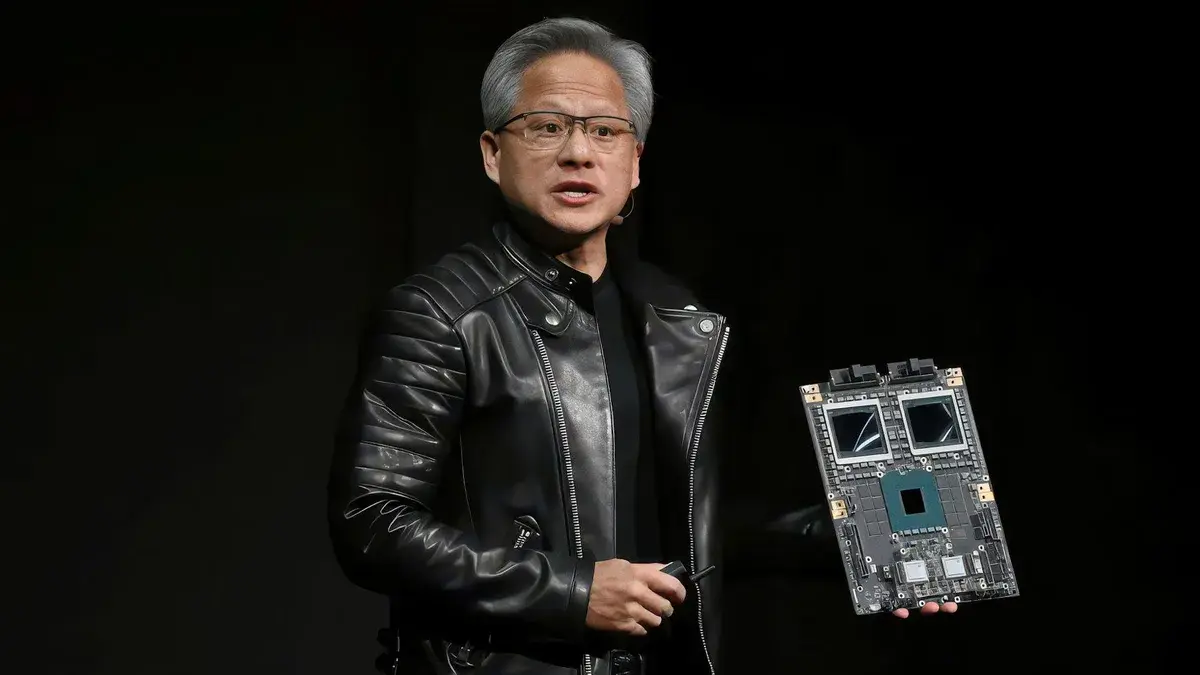
US withdraws AI chip export rule: global implications for enterprise AI
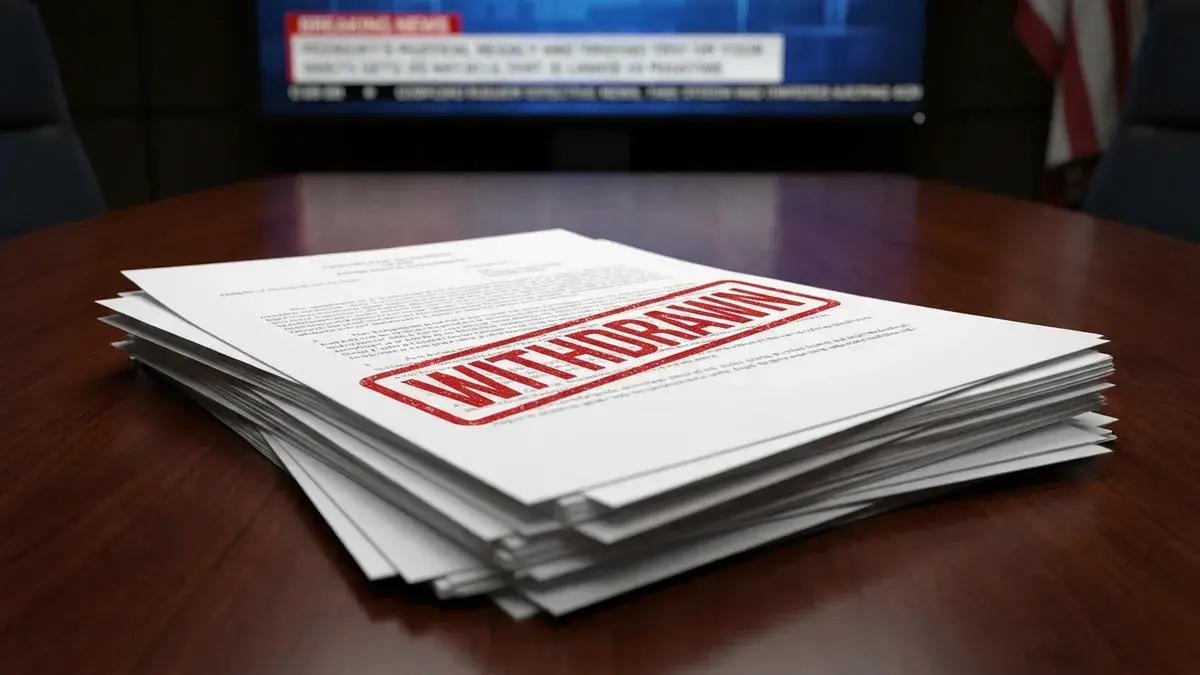
US withdraws AI chip export rule: global implications for enterprise AI
In a significant policy reversal, the Trump administration has withdrawn the Biden-era "AI Diffusion Rule" — a sweeping framework that had established tiered restrictions on the export of advanced AI chips and model weights to different countries. The rule, which had been set to take full effect in mid-2025, created a three-tier system that placed most of the world (outside close US allies) under significant restrictions on access to Nvidia H100 and A100-class GPUs.
What the rule was
Finalized in the final days of the Biden administration, the AI Diffusion Rule was designed to prevent adversarial nations — primarily China — from accessing the computational infrastructure needed to train frontier AI models. It created:
- Tier 1 (unrestricted): Close US allies including UK, Germany, France, Japan, South Korea, and other trusted partners
- Tier 2 (restricted): Most of the world, with caps on chip access
- Tier 3 (near-total restriction): China, Russia, Iran, and designated adversarial nations
The rule was controversial from the start. Semiconductor companies including Nvidia argued it would damage US competitiveness by pushing foreign customers toward Chinese alternatives. Several allied governments complained about being placed in Tier 2 despite close security relationships with Washington.
Why it was withdrawn
The Trump administration's stated rationale for withdrawal centers on economic competitiveness. The argument: restricting chip exports to friendly nations hurts US semiconductor companies and doesn't actually prevent China from developing AI capabilities (citing DeepSeek R1 as evidence that China can build competitive models on restricted hardware).
The administration has signaled it will replace the rule with a different approach — likely more narrowly targeted at China rather than the broad geographic framework of the Diffusion Rule.
What this means for Europe
For European enterprises and the broader European AI ecosystem, the withdrawal has mixed implications.
Positive short-term: European companies, research institutions, and cloud providers that were navigating Tier 1/2 uncertainty now have clearer access to cutting-edge US AI hardware. This removes a layer of procurement complexity.
Uncertainty about what comes next: The replacement policy is not yet defined. A more bilateral, negotiation-based approach could create new asymmetries and unpredictabilities.
Strategic dependency question: The episode highlights Europe's deep dependence on US-designed chip architecture for AI compute. TSMC (Taiwanese), Nvidia (American), and AMD (American) dominate the supply chain for advanced AI chips. The EU's CHIPS Act ambitions are a direct response to this dependency, but European domestic production of leading-edge AI chips remains years away.
The enterprise procurement angle
For businesses buying or building AI infrastructure:
-
Short-term: pricing pressure may ease. With less regulatory friction on exports, supply of Nvidia data center GPUs to European cloud providers should improve, potentially moderating the intense GPU price environment of 2024-2025.
-
Cloud AI costs may drop. Major hyperscalers (AWS, Google, Azure) have been capacity-constrained on AI compute. Easier chip access could accelerate capacity expansion and competitive pricing.
-
Don't build strategy around geopolitical assumptions. The chip export landscape has shifted multiple times in 24 months. Enterprise AI strategies built on assumptions about specific hardware availability are fragile. Prefer software-layer flexibility over hardware lock-in.
The bigger geopolitical picture
The chip export saga reflects a fundamental tension in US AI policy: the desire to maintain technological supremacy over China while not handicapping American industry and allies. Neither the Biden approach nor the Trump reversal fully resolves this tension.
What's clear is that AI compute has become a geopolitical asset of the first order. The decisions being made in Washington, Brussels, Beijing, and Tokyo about chip production, export, and standards will shape the global AI landscape for decades.
Business takeaway
The withdrawal of the AI Diffusion Rule reduces near-term procurement friction for European AI infrastructure buyers. But the underlying geopolitical volatility around AI hardware remains — and will continue to shape the market. Build AI strategies that are resilient to supply chain disruptions, and monitor policy developments closely.
IALUX tracks global AI policy developments and their implications for Luxembourg-based businesses. Contact us if you want to understand how geopolitical AI dynamics affect your strategy.
Vous voulez implémenter ça dans votre entreprise ?
Nos experts vous accompagnent de la stratégie au déploiement.
Parlez à un expertConsultation gratuite · 30 min · Sans engagement